 No contracts
 No startup fees

Giant crab spider Las Vegas sightings often involve a large spider moving quickly across a wall. Ace Pest Control helps assess the activity and likely routes indoors. We explain practical steps for your home without assuming that every large spider represents the same problem.
Recognizing a giant crab spider in Las Vegas
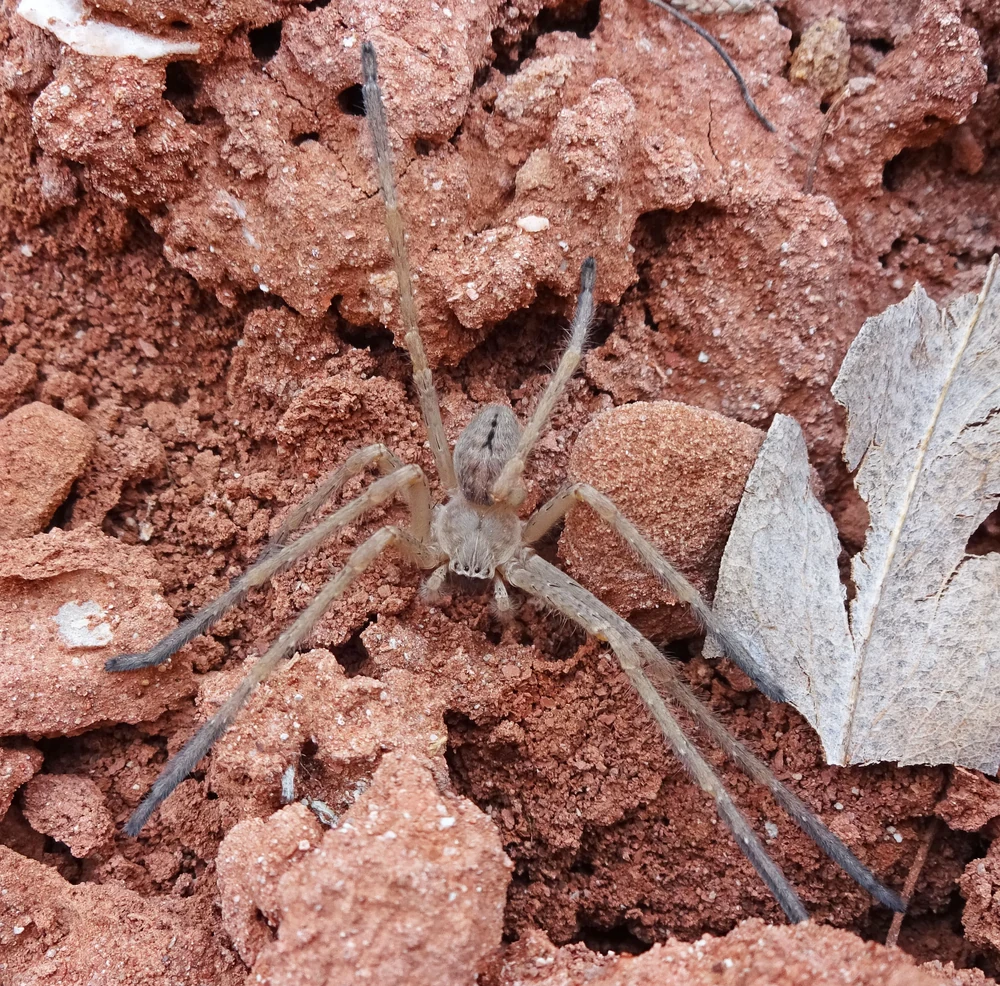
Giant crab spiders are also called huntsman spiders. They hunt other small animals and can move rapidly across surfaces. Their spread out legs and sideways movement can make a brief sighting especially striking.
Unlike spiders that wait in a large prey catching web, these hunters may appear while moving through the space. Therefore, note the actual sighting location rather than looking only for webs. That detail helps guide an inspection.
- Large spiders moving across walls
- Activity near doors, patios, or garages
- Repeat sightings beside the same access point
Reviewing a giant crab spider sighting in Las Vegas
First, we listen to what you saw and where it happened. Next, we assess possible shelter, entry routes, and insect prey around that area. We then explain whether prevention or targeted service is appropriate.
Tell us if the spider appeared at height or in a difficult to reach spot. Avoid climbing or moving heavy furniture to chase it. A clear description and safely taken photo can provide useful starting information.
Reduce wandering access
Keep screens in good condition and check gaps around exterior doors. Also, reduce clutter close to entryways and keep stored materials organized. These changes improve visibility and reduce protected routes into the house.
Consider where lights attract insects beside open doors. Your technician can discuss sensible adjustments for that space. Finally, record any repeated sightings so we can distinguish an isolated visitor from a recurring access concern.
A quick sighting can make a spider look different
A spider moving across a wall may be difficult to identify. Distance, lighting, and the position of its legs can change how it appears. Instead of relying on a name from a picture search, describe what you saw and where it happened.
If the spider remains visible, keep a safe distance and take a photograph only if you can do so without approaching it. Do not chase it behind furniture or reach into a concealed space. Tell Ace whether it moved into a crack, behind an object, or toward an exterior door.
A giant crab spider concern should begin with identification and context. A large appearance can be alarming, but it does not by itself explain the activity around the building or the best response.
Focus on the room and its nearby access points
Record whether the sighting occurred in a garage, utility room, bedroom, or outdoor seating area. Then consider which doors and screens serve that part of the property. An inspection can use those connections to explore why an unwanted visitor may appear there.
Check visible barriers as part of ordinary maintenance. A loose screen or a worn door seal is worth reporting, especially if other insects enter the same area. However, avoid opening wall cavities or altering equipment to search for a spider.
Mention the room's routine. A garage door left open during a project or deliveries passing through an entry may be relevant information. These details support a useful conversation without proving a particular cause before the technician has assessed the space.
Consider whether other pest activity is part of the picture
Tell Ace about insects or webs noticed near the same location, even if you are unsure whether they are related. Describe actual observations rather than assuming every sign has one explanation. Your technician can decide what deserves attention during inspection.
Also share the timing of recent cleaning or treatment. If the space was recently checked, that history can help establish when the new activity appeared. Previous service details are useful when discussing the next step.
For a giant crab spider Las Vegas inquiry, ask which findings support any proposed service. The answer should connect the work to your property and the concern you reported. That makes the recommendation easier to understand than a general promise about every kind of spider.
Preparing for a giant crab spider assessment in Las Vegas
If service is arranged, explain how the affected room is used by people and pets. Ask what should be moved and whether any area needs to remain undisturbed. Avoid shifting heavy furniture or stored equipment before you know what access is necessary.
After the visit, follow the instructions and record further sightings by date and location. Contact Ace if the activity changes or appears in another room. A short, clear description helps the team discuss whether the next step should involve inspection, maintenance, or another service conversation.
Keep routine entry checks manageable. Review a damaged screen when you make other repairs, and keep storage paths visible where practical. Simple habits are easier to maintain and help you notice an unwanted visitor without searching through concealed spaces.
Frequently asked questions
Will I always find a web nearby?
No. Hunting spiders do not depend on a large web to catch their prey. Therefore, the absence of a visible web does not identify the spider or explain how it entered.
Does a large spider require whole home treatment?
Not automatically. Species, frequency, location, and property conditions guide the response. We can explain whether a targeted visit, exclusion advice, or broader spider management plan fits the activity you are seeing.
Is a spider with long sideways legs always a giant crab spider?
No. A brief impression of leg position is not a complete identification. Share a safe photograph if one is available, along with the room or outdoor location. Avoid handling the spider or trying to place it in a particular position to compare it with an online image.
Do I need to know the species before calling?
No. Tell Ace that you have an unfamiliar spider and describe the activity. A giant crab spider Las Vegas search is often the start of that conversation, not a confirmed identification. The local team can discuss inspection and practical next steps based on the evidence at your property.
Related pest control resources
Request your free pest control estimate or explore the areas we serve. You can also view Ace Pest Control on BBB.