
 No contracts
 No startup fees
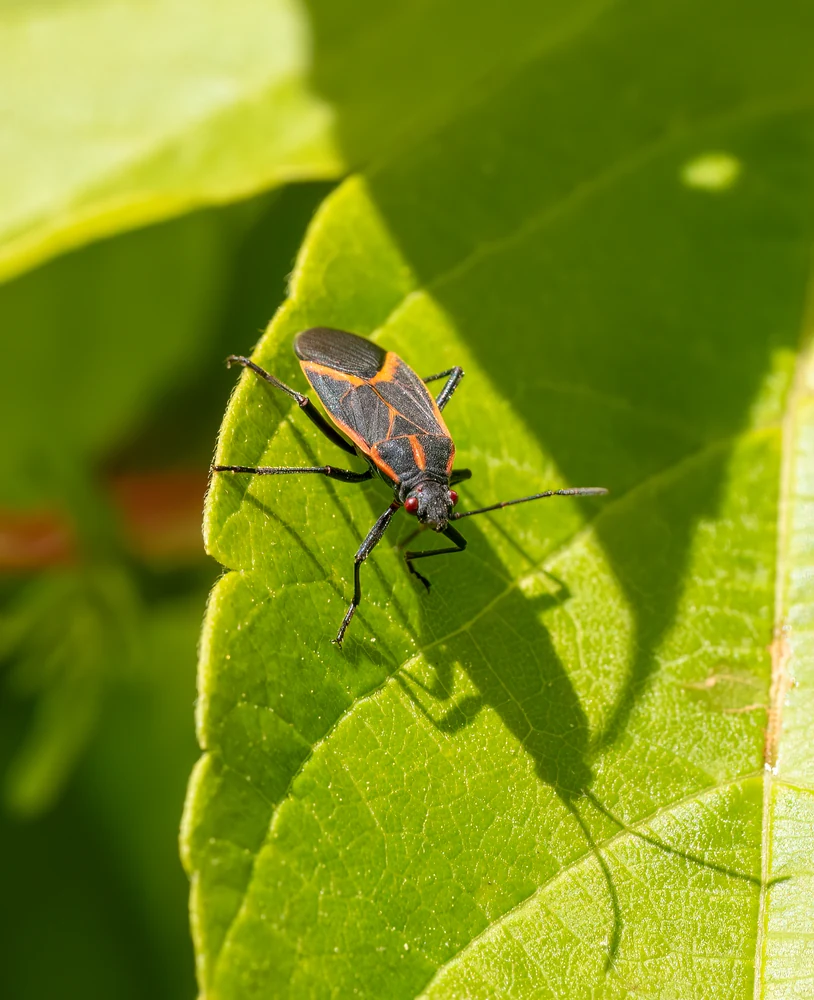
Beetle control Las Vegas property owners need depends on the beetle and what it feeds on. Ace Pest Control helps identify activity in fabrics, storage areas, and household spaces. We look for the source, then explain an approach suited to the findings.
Identification comes first in Las Vegas beetle control
A beetle near a window may have wandered indoors. However, repeated sightings near stored food or fabric can point to a nearby source. The immature stages may cause damage before adults become obvious.
First, note the room and material involved. Keep track of holes, shed skins, or insects near packages. Next, share those observations during your inspection. They help narrow the search without guessing from a single insect.
- Damage to wool, upholstery, or stored textiles
- Small insects around dry food or pet food
- Repeated sightings beside windows or baseboards
How beetle control in Las Vegas begins
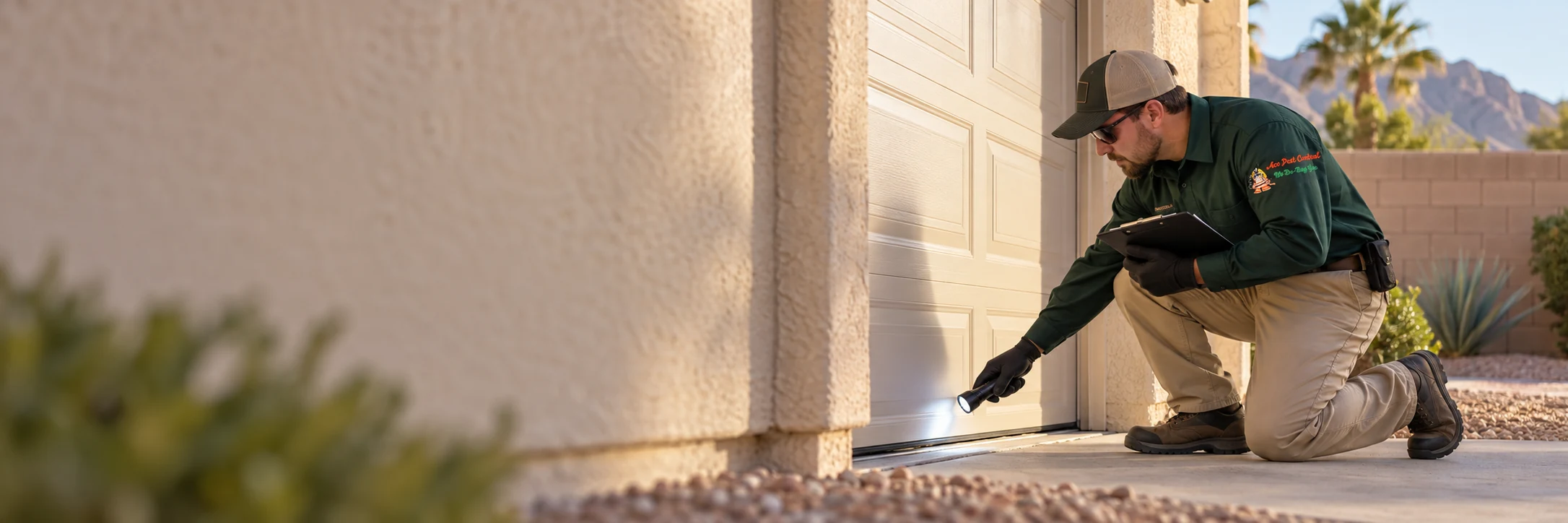
We inspect the affected area and look at nearby places that could support activity. For example, a closet concern calls for a different search than insects around a pantry shelf. Identification guides the next step.
Your technician explains recommended treatment and any cleaning or storage changes. We also discuss what to monitor afterward. Removing the source and improving storage can be just as important as addressing visible beetles.
Protect food and belongings
Inspect dry goods and avoid mixing new food with older stock. Also, keep seldom used fabrics clean and stored in suitable sealed containers. Check care labels before cleaning valuable or delicate items.
Vacuum corners and edges where lint collects, and keep window screens in good condition. Finally, inspect secondhand furniture before bringing it indoors. These habits make new activity easier to notice and reduce places where pests remain hidden.
Begin with the material that shows activity
Beetles belong to a large and varied group. Some may wander indoors, while others develop around a particular food or material. Therefore, the item involved can offer an important clue about the source and the type of inspection needed.
Tell us whether the concern involves pantry goods, clothing, furniture, or insects around a window. Also, note whether several items show similar signs. Avoid treating every room before the source is understood. A focused inspection can help connect visible adults with less obvious activity in the surrounding space.
Inspect stored goods without spreading the concern
When you find insects around a package, keep track of where it was stored. Check nearby items visually without mixing their contents. The age of the goods and the timing of new purchases can provide useful context for the technician.
Do not move suspect food or textiles into another storage area without advice. Instead, describe the affected items and ask how to handle them before service. Also, mention whether the same problem has occurred before. That history can help identify a recurring source or a storage routine that needs adjustment.
Look at quiet spaces as well as busy rooms
Rarely moved furniture, deep closet corners, and long term storage can conceal activity. Adults may appear in a brighter area after developing somewhere less obvious. As a result, the first sighting does not always mark the source.
Tell us about rooms or containers that have remained undisturbed. Also, mention stored animal materials, natural fabrics, or older dry goods when relevant. Your technician can use those clues to focus the inspection. You do not need to empty every cupboard before the visit unless the preparation instructions ask you to.
Cleaning that supports beetle control in Las Vegas
Cleaning can support beetle control, but valuable or delicate materials need care. Follow labels and professional care advice for textiles. Likewise, food storage concerns call for a different response than suspected damage in a piece of furniture.
Ask which cleaning steps should happen before treatment and which should wait. Also, clarify how to handle suspect items and vacuum contents. A coordinated approach helps preserve useful evidence and avoids moving the problem between rooms. Keep a record of the items involved so later observations are easier to compare.
Monitor for a pattern after the source is addressed
After service, check the areas your technician recommends rather than searching randomly throughout the home. Record new insects, damage, or shed skins with a date and location. These observations can show whether activity is changing around the original source.
Also, review how new goods enter storage. Inspect packages and secondhand belongings before placing them with existing items. Rotate supplies so older stock remains visible and easier to check. If activity returns, share what changed since the previous visit. That context helps us assess the next step more efficiently.
Frequently asked questions
Are beetles and cockroaches the same?
No. They are different insects and may need different control methods. A clear photo or professional inspection can help identify the pest. Avoid choosing a treatment based only on color or size.
Can beetles damage stored clothing?
Some beetle larvae can damage susceptible fabrics. Others feed on different materials. Therefore, finding the species and source matters. Tell us which items show damage and where you store them.
Does a beetle at a window mean the window is the source?
Not necessarily. Adult insects may move toward brighter spaces after developing elsewhere. Therefore, a useful inspection can extend beyond the first sighting. Tell us about nearby storage and any materials that show damage or other evidence.
Should I use the same product on every affected item?
No. Food, fabric, and furniture have different requirements, and the beetle must be identified first. Ask for a plan before applying products. Follow care instructions for belongings and the technician’s preparation guidance for the service.
Can old packages matter even when they look closed?
They can be relevant to a stored product investigation. Packaging condition, storage time, and nearby evidence all help guide the inspection. Do not assume one visible insect identifies every package as affected. We can explain what to check and how to respond.
Related pest control resources
Request your free pest control estimate or explore the areas we serve. You can also view Ace Pest Control on BBB.