 No contracts
 No startup fees

Mud dauber control Las Vegas homeowners need starts with the distinctive nest left on an eave or wall. Ace Pest Control assesses these solitary wasps and their nesting sites. We help you decide what attention the area needs and how to reduce repeated activity.
Nest clues for mud dauber control in Las Vegas
Mud daubers build nests from mud in protected places. Depending on the species, the nest may look like tubes or clustered chambers. Garages, sheds, covered patios, and roof edges can provide suitable shelter.
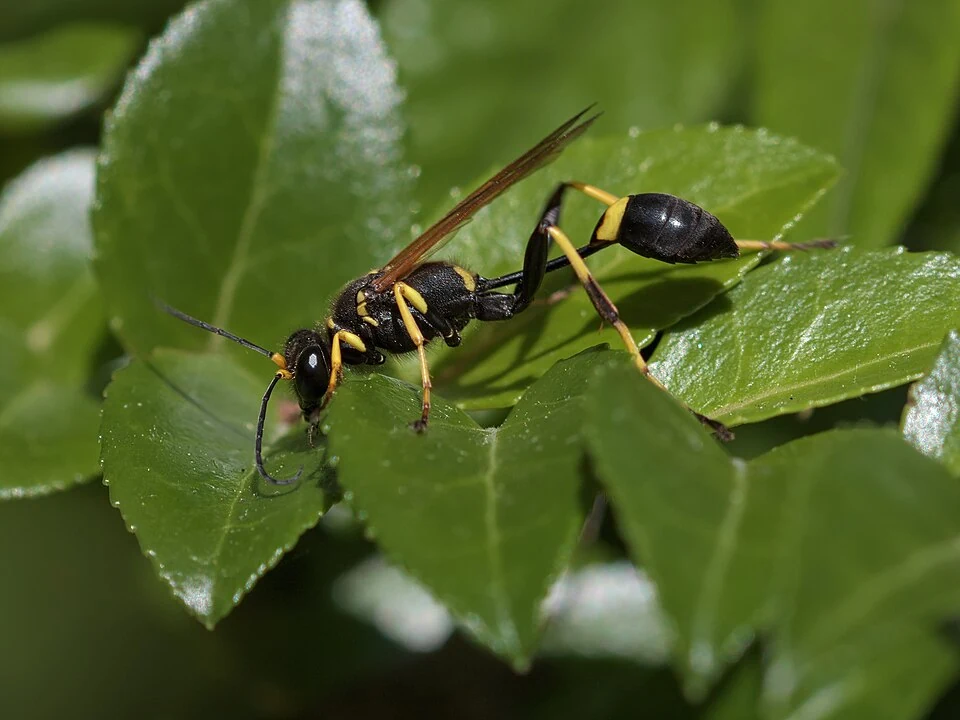
The adults often have slender bodies and a narrow waist. However, shape alone is not enough to identify every wasp. A professional assessment can help distinguish mud daubers from social wasps with very different nesting habits.
- Mud tubes beneath an overhang
- Small mud chambers on sheltered walls
- Slender wasps visiting a garage or shed
Your visit for mud dauber control in Las Vegas
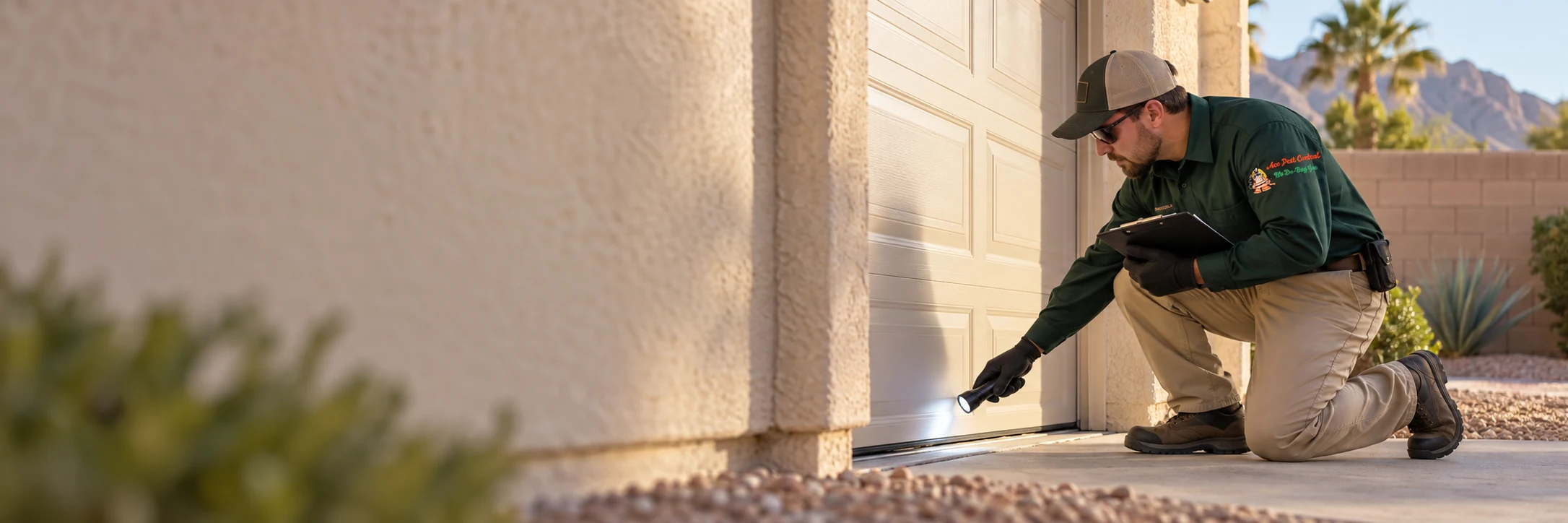
First, we inspect the nest location and look for current activity. Next, we discuss whether treatment, nest attention, or prevention steps make sense. An old mud nest does not always mean an active wasp problem.
We also consider how you use the area. For example, a nest beside stored equipment creates different concerns than one on a distant wall. Your technician explains the recommended scope before service.
Reduce inviting shelter
Check damaged screens and gaps around storage areas. Also, keep garage doors closed when practical and reduce clutter beneath protected ledges. These simple steps can make it easier to spot new activity.
Do not knock down a nest while wasps are active nearby. Instead, note where they enter and leave. Tell us whether nests have appeared in the same location before, as that history can guide prevention advice.
The nest offers clues about the wasp
Mud dauber nests can take several forms, including rows of tubes or grouped chambers. The shape reflects the builder and does not automatically indicate a large social colony. An old nest can remain after the original wasp has stopped using it.
Therefore, tell us whether you see active arrivals as well as the mud structure itself. Note the position and whether several nests occur nearby. A clear description helps separate old evidence from current activity. Do not scrape or break a nest open to find out what is inside.
Consider how the sheltered space is used
A nest high on an unused exterior wall may create a different concern from one beside a workshop bench. The location affects access, observation, and how often people come close. Explain those practical details during the service discussion.
Also, mention doors that stay open, storage moved regularly, or equipment parked beneath the nest. Your technician can assess the activity with that routine in mind. The aim is to address the actual concern without treating every outdoor mud structure as the same situation. Identification and location guide the next step.
Preparing for mud dauber control in Las Vegas
Before your appointment, note where the nests are and whether wasps appear during certain tasks. Tell us if access involves a locked shed or a garage full of equipment. We can discuss what needs to be reachable for inspection.
Avoid climbing to a nest or moving heavy objects underneath active wasps. Instead, ask which preparation steps are appropriate. Keep people and pets away from the immediate area if activity is present. Giving the technician a clear location is enough to start; you do not need to collect a specimen.
Ask about nest attention and surface care
Treatment and nest cleanup are separate questions to discuss in the service scope. Some mud structures adhere closely to a surface. The wall material, height, and condition can affect how the area should be handled afterward.
Ask what the proposed visit includes and whether any surface cleaning or repair needs separate attention. Also, mention delicate finishes or recently painted areas. Understanding those details before work begins helps avoid assumptions about the result. Your technician can explain the pest service and any recommendations for the surrounding space.
Watch for patterns around protected ledges
Repeated nesting in one sheltered area can indicate that the site continues to offer useful conditions. Keep that area visible and check it during ordinary maintenance. Also, repair damaged screens and review how long doors remain open.
A simple record can show whether nests return to the same ledge or appear somewhere new. Share that pattern with Ace during the next visit. We can discuss appropriate prevention based on the building and your routine. Broad changes to the whole property are not always necessary to address a specific nesting concern.
Frequently asked questions
Do mud daubers live in large colonies?
Mud daubers are solitary wasps. Their nests differ from the social colonies associated with many other wasps. However, several nests may occur in a favorable area, so identification remains helpful.
Does every mud nest require treatment?
Not always. The decision depends on current activity, location, and how the space is used. An inspection helps clarify whether the nest is active and which response is appropriate.
Can an empty mud nest remain on the wall?
Yes. The structure can persist after active use ends. That is why a nest alone does not establish current activity. Tell us whether you see wasps entering it and whether the appearance has changed since you first noticed it.
Does removing one mud nest prevent all future nests?
Not necessarily. A sheltered location may remain attractive even after an old nest is addressed. We can discuss practical access and maintenance changes. Continued observation helps identify whether another wasp is using the same area later.
Why should I mention the wall finish?
Nest cleanup can involve contact with the surface beneath it. Paint, stucco, and other finishes may need different care. Tell the technician about delicate or recently repaired areas, then clarify what the service includes before work starts.
Related pest control resources
Request your free pest control estimate or explore the areas we serve. You can also view Ace Pest Control on BBB.